About

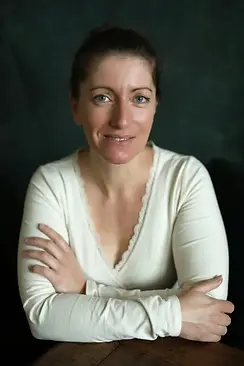
Who I am
With a doctorate in medical ethics, biological anthropology, and paleomedicine (Paris Descartes University – Paris 5), I specialize in the study of the evolution of human biology and pathologies across time and environments. My research, conducted primarily at Paris-Saclay University, focuses on the mechanisms of human body adaptation, with a particular interest in the microbiome and overall health.
I have worked as a Temporary Lecturer and Researcher at the Collège de France, a research assistant at McMaster University (Canada) and a researcher at the University of Versailles–Saint-Quentin Paris-Saclay, with collaborations including the Pasteur Institute, the National Museum of Natural History and the EHESS.
My practice is based on dual expertise, at the crossroads of academic research and non-medical support based on certified tools, aimed at mobilizing the natural adaptive capacities of the body and brain.
Who we are
We are born with an inherited genetic makeup—the genome—which constitutes the basic biological structure (20%). But it is the epigenome, which is adaptable and sensitive to the environment, that determines how this information is expressed throughout life. Research in genetics and epigenetics shows that the experiences of previous generations can leave biological and functional traces in their descendants, without altering the DNA itself.
In addition to this biological foundation, there are behavioral adaptations transmitted within families. These strategies, developed in response to significant events, can have a lasting influence on physical, mental, cognitive, and social health. Health thus results from complex interactions between biological inheritance, epigenetic regulation, behaviors, and relational environments.
If the genome is the score, the epigenome and adaptations determine how it is played — and this interpretation can evolve over life and across generations.